
Bridging the Gap in Eye Donation Across India
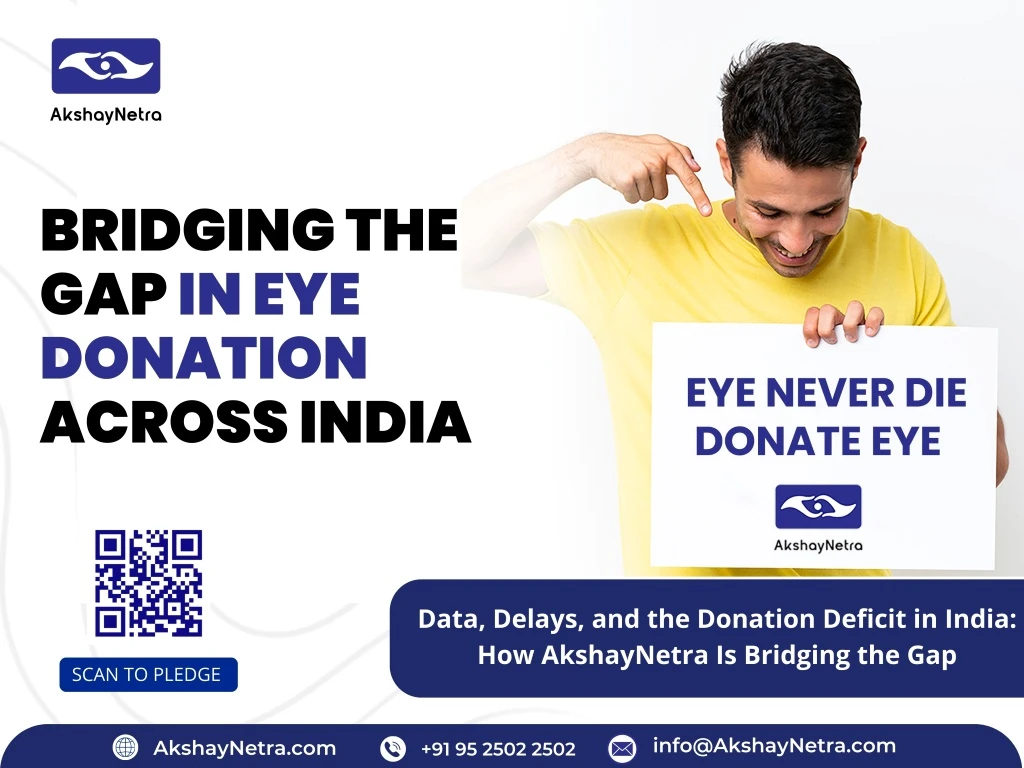
Data, Delays, and the Donation Deficit in India: How AkshayNetra Is Bridging the Gap
A Nation of Compassion, A Gap in Action
India has long been guided by values of empathy, charity, and service. Yet, despite this deep-rooted culture of giving, thousands continue to wait for corneal transplants. The shortfall in eye donation is not the result of unwillingness but of practical challenges - missing information, delayed coordination, and decisions made during moments of profound grief.
Many individuals register as eye donors, but only a small percentage of these pledges lead to actual donations. A donor card alone has no legal standing unless the family gives consent at the time of death. When relatives are unaware of the donor’s wishes, the opportunity to restore sight is often lost. This reflects a lack of preparation rather than a lack of generosity.
Understanding the Real Challenge
Corneal blindness affects lakhs of people across the country, yet it remains one of the most treatable forms of blindness. The medical capability exists, and trained surgeons are available. The true challenge lies in converting willingness into timely action.
Eye donation requires swift coordination. Corneas must be retrieved within a few hours after death to remain suitable for transplantation. In many cases, families do not know whom to contact, hospitals lack immediate linkage with eye banks, or trained responders are unavailable. By the time the process begins, the critical window has already passed.
The Importance of Family Awareness
The most significant barrier is the absence of prior discussion within families. Misconceptions about disfigurement, religious concerns, or delays in funeral rites continue to persist. In reality, eye donation is a respectful medical procedure that does not alter appearance and does not interfere with last rites.
These facts must be understood in advance. When families are informed of a loved one’s wishes, they are far more likely to honour the decision. Preparation transforms a moment of loss into an opportunity to give sight.
A Structured Approach by AkshayNetra
AkshayNetra focuses on creating a donation-ready system rather than merely collecting pledges. Its approach follows a clear pathway: awareness, registration, family sensitisation, rapid response, and hospital linkage.
The initiative encourages donors to inform their families, trains volunteers in sensitive communication with bereaved relatives, and establishes local support networks for immediate coordination. It also maps nearby eye banks and hospitals while maintaining structured donor records. This organised framework ensures that intention is translated into timely and effective action.
Data, Seva, and Measurable Impact
Many awareness campaigns measure success by the number of forms filled. AkshayNetra measures success by the number of donations completed. By combining structured data with a Sevak-led response system, delays are reduced and coordination improves. Each successful donation becomes a measurable outcome, restoring vision and independence to those in need.
The Way Forward
Addressing the gap in eye donation requires collective responsibility. Open family conversations about donation wishes are essential. Trained local volunteers must be available to guide families at the right moment. Strong coordination between community organisations, hospitals, and eye banks is equally important.
Eye donation begins not in an operating theatre but in a prepared household and an informed community.
Conclusion
India’s strength lies in its compassion. The task ahead is to organise that compassion so that every pledge leads to restored sight. By registering as donors, informing our families, and supporting structured initiatives such as AkshayNetra, we can ensure that no opportunity is lost. When awareness is matched with preparation and timely action, the gift of vision becomes a reality for those waiting in darkness.
MONTHLY MAGAZINE
Social media icons